
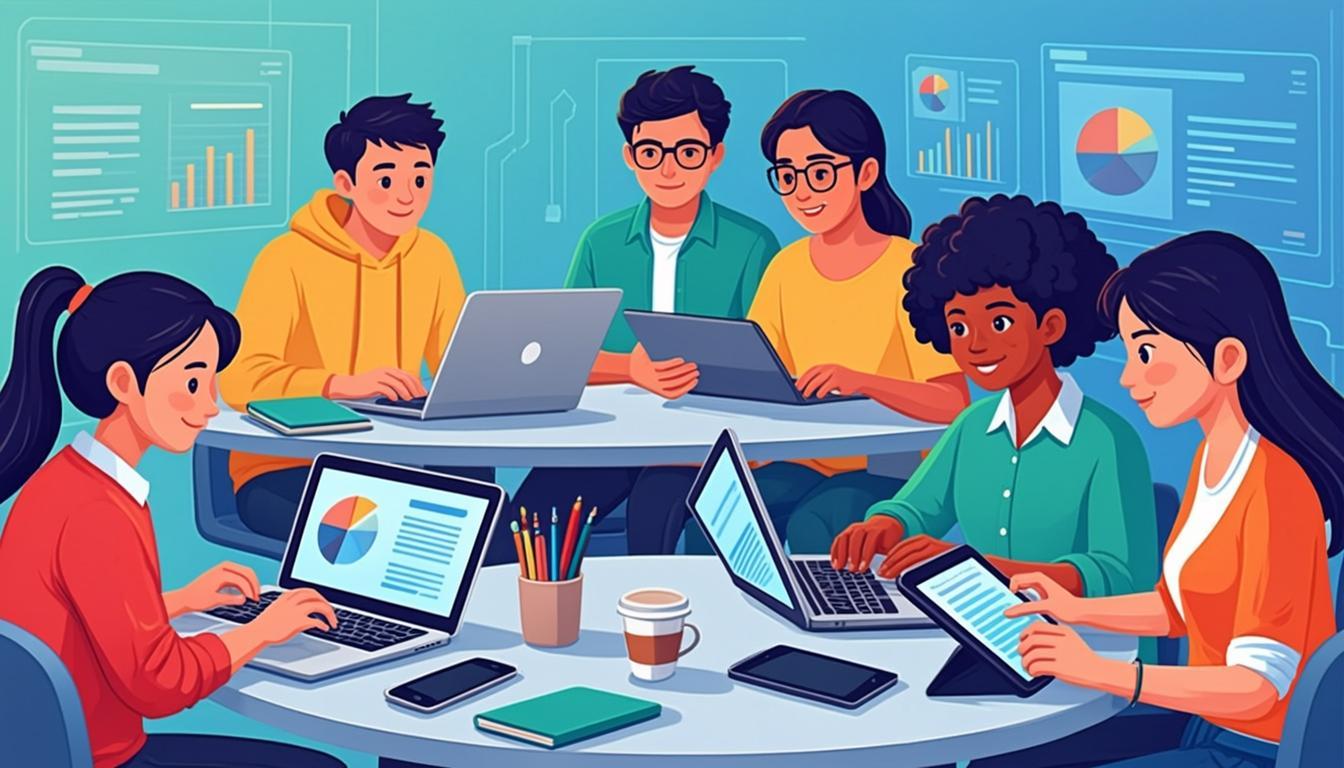
The way students learn is undergoing a fundamental transformation. Gone are the days when studying meant sitting in a library with a stack of heavy textbooks, a highlighter, and a notebook. Today’s students have access to an incredible array of digital study resources that make learning more efficient, engaging, and accessible than ever before. From digital textbooks and online databases to AI-powered study tools and collaborative platforms, the digital revolution in education is opening doors that previous generations of students could only imagine.
Despite these advances, many students remain hesitant to fully embrace digital study resources. Some prefer the familiarity of physical books, while others are simply unaware of the tools available to them. This article makes a compelling case for why every student should explore and incorporate digital study resources into their academic toolkit, highlighting the tangible benefits that these tools offer for learning, productivity, and academic success.
Instant Access to Unlimited Knowledge
One of the most powerful advantages of digital study resources is the immediacy of access. When you need a textbook at 2 AM before an exam, digital resources deliver it instantly. No waiting for bookstore hours, no shipping delays, no out-of-stock disappointments. Platforms like our eBook store provide instant access to thousands of textbooks across every academic discipline, available for download the moment you complete your purchase.
Beyond textbooks, digital resources give you access to scholarly databases, online encyclopedias, educational videos, interactive simulations, and research papers from leading journals. Your university library’s digital subscriptions provide access to resources that would cost thousands of dollars individually. The combined effect is that you have more knowledge at your fingertips than the greatest scholars of previous centuries had access to in their entire lifetimes.
Personalized Learning Experiences
Digital study resources enable a level of personalization that is simply not possible with traditional materials. Adaptive learning platforms use algorithms to assess your strengths and weaknesses, adjusting the difficulty and focus of study materials in real time. If you are struggling with a particular concept in chemistry, the platform will provide additional explanations, practice problems, and video tutorials targeted to that specific area. If you have already mastered a topic, the platform will move on to more challenging material.
This personalized approach ensures that you spend your study time as efficiently as possible, focusing on areas where you need the most improvement rather than reviewing material you already know. Research shows that adaptive learning platforms can improve student outcomes by 30% or more compared to traditional one-size-fits-all study methods. Tools like Khan Academy, Coursera, Quizlet, and various AI-powered study assistants are making personalized learning accessible to every student.
Enhanced Collaboration and Sharing
Digital resources facilitate collaboration in ways that physical materials cannot. Cloud-based document platforms like Google Docs and Microsoft OneDrive allow real-time collaboration on group projects, study guides, and presentations. Students can work together on shared notes, comment on each other’s work, and track changes simultaneously — regardless of their physical location.
Digital textbook platforms increasingly offer collaborative features that allow students to share highlights, annotations, and notes with classmates. Study groups can create shared digital flashcard decks, work through problems collaboratively, and quiz each other remotely. These collaborative capabilities transform studying from a solitary activity into an interactive, social experience that enhances both engagement and retention.
Cost-Effective Learning
The financial advantages of digital study resources are substantial and multifaceted. Digital textbooks cost significantly less than physical copies, as discussed in our guide to saving money on textbooks. But the savings extend beyond just textbooks. Free online resources like OpenStax, Khan Academy, MIT OpenCourseWare, and CrashCourse provide high-quality educational content at no cost. Many universities offer free access to premium databases, software, and learning platforms through their library systems.
Additionally, digital resources eliminate ancillary costs associated with physical materials — no shipping fees, no printing costs for notes, no replacement costs for lost or damaged books, and no storage costs. For students on tight budgets, the cumulative savings from using digital study resources can amount to thousands of dollars over the course of a degree.
Better Organization and Searchability
One of the most practical benefits of digital study resources is superior organization. A digital library allows you to tag, categorize, and search your entire collection of study materials instantly. Need to find a specific concept across multiple textbooks? A single search query can locate it in seconds. Tools like Zotero and Mendeley let you build personal libraries of articles and references, automatically generate citations, and organize materials by project, course, or theme.
This searchability transforms how students review and prepare for exams. Instead of flipping through hundreds of pages of handwritten notes and multiple textbooks, you can search for specific keywords and concepts across your entire digital study collection. This capability is particularly valuable for comprehensive final exams that cover material from the entire semester or for research projects that require synthesizing information from multiple sources.
Environmentally Sustainable
The environmental benefits of digital study resources are considerable. The production, printing, and distribution of physical textbooks consume vast amounts of paper, water, and energy, and generate significant carbon emissions. By choosing digital alternatives, students contribute to reducing deforestation, water pollution, and greenhouse gas emissions. A single student who switches to digital textbooks throughout their college career can save approximately one tree, 5,000 gallons of water, and prevent the emission of over 500 pounds of carbon dioxide.
As awareness of environmental issues grows among younger generations, choosing digital study resources represents a meaningful way for students to align their educational practices with their environmental values. The collective impact of millions of students making this switch contributes to a more sustainable educational system.
Preparing for a Digital Future
In virtually every profession, digital literacy is becoming an essential skill. By embracing digital study resources in college, you are not just improving your academic performance — you are developing the digital skills that employers increasingly demand. Proficiency with digital tools, comfort with online collaboration platforms, and the ability to find, evaluate, and synthesize digital information are all skills that transfer directly to the modern workplace.
The professional world is increasingly digital, and students who are comfortable navigating digital environments will have a significant advantage in the job market. By using digital study resources throughout your education, you build familiarity with technology that will serve you in your career, whether that involves data analysis, digital marketing, software development, research, or any other field that relies on digital tools and resources.
Getting Started with Digital Resources
If you have not yet explored the world of digital study resources, there is no better time to start than now. Begin by replacing your next textbook purchase with a digital version from our eBook store and experience the convenience and cost savings firsthand. Explore free educational platforms like Khan Academy and OpenStax to supplement your course materials. Try a note-taking app like Notion or Obsidian to organize your study materials digitally. And share your favorite digital study tools with classmates to enhance collaborative learning.
The transition to digital study resources is not about abandoning traditional learning methods entirely — it is about augmenting your toolkit with powerful tools that enhance your learning efficiency and effectiveness. The students who thrive in today’s educational environment are those who skillfully combine the best of traditional and digital approaches, creating personalized study systems that leverage the unique strengths of each. Start exploring today and discover how digital resources can transform your academic journey!
Recommended Resources
For further reading and reliable information on this topic, we recommend exploring the following authoritative resources:
- OER Commons — a comprehensive digital library of open educational resources.
- Khan Academy — offering free, world-class education for students everywhere.
- Coursera — providing access to online courses from leading universities.
- MIT OpenCourseWare — offering free course materials from MIT’s entire curriculum.
- Edutopia — sharing innovative strategies for teaching and learning.
Browse Our eBook Collection
Looking for affordable textbooks and study materials? Explore our extensive library of eBooks and academic resources designed to support your educational journey. We offer a wide range of digital textbooks across all subjects at student-friendly prices.