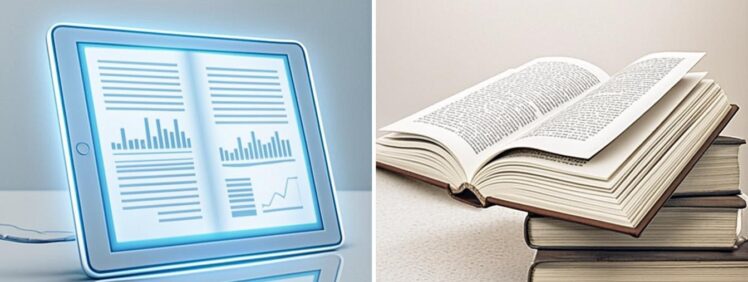
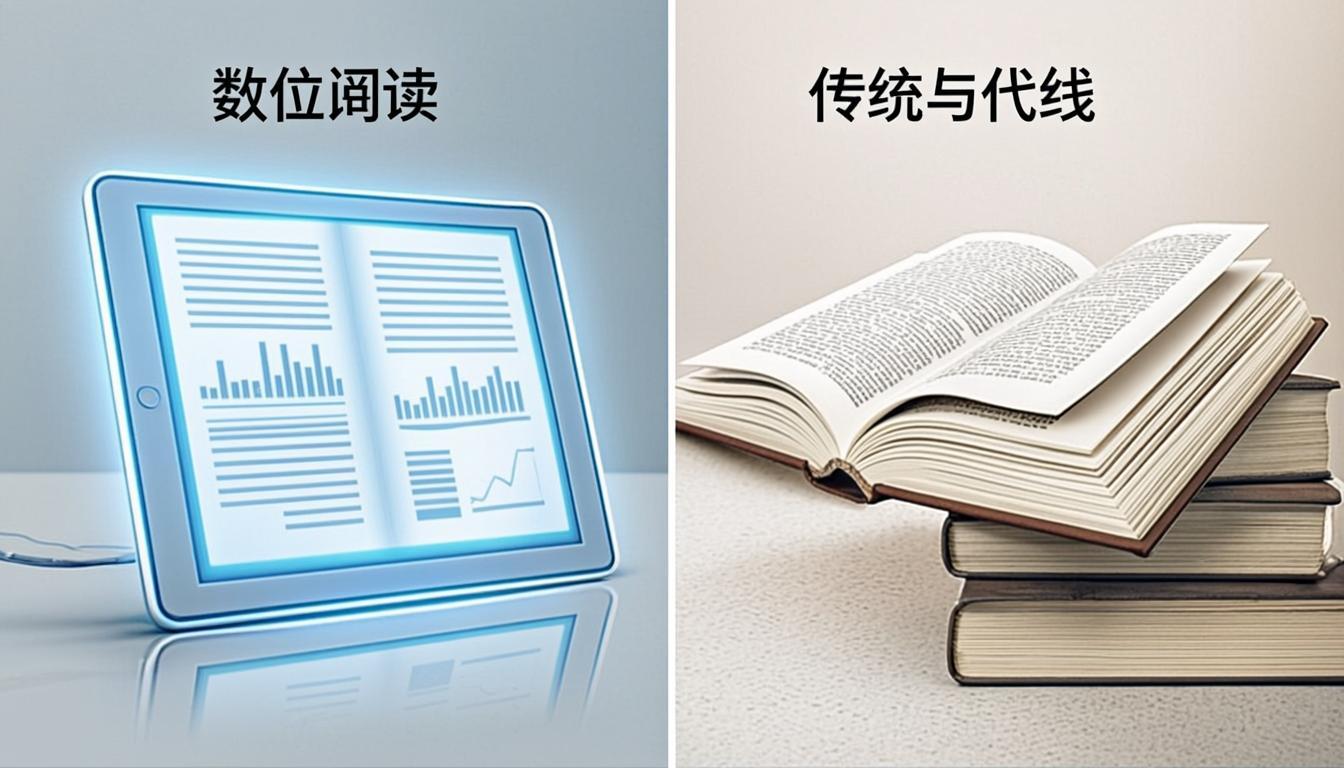
The debate between digital and physical textbooks has become one of the most discussed topics in education. As technology continues to reshape how we learn and access information, students face an important decision: should they stick with traditional printed textbooks or embrace the growing trend of digital learning materials? Both formats have distinct advantages and drawbacks, and the right choice depends on your individual learning style, study habits, and academic needs.
In this article, we will conduct an in-depth comparison of digital and physical textbooks across multiple dimensions, including cost, portability, learning effectiveness, environmental impact, and long-term value. By examining the research and real-world experiences of students and educators, we aim to help you make an informed decision that enhances your academic performance.
The Case for Digital Textbooks
Unmatched Portability and Convenience
Perhaps the most obvious advantage of digital textbooks is portability. A single tablet, laptop, or smartphone can hold an entire library of textbooks, eliminating the need to carry heavy bags filled with books across campus. This convenience extends beyond just physical weight — digital textbooks are available instantly upon purchase, so you never have to wait for shipping or stand in line at the campus bookstore.
For commuter students, those studying abroad, or anyone who studies in multiple locations, this portability is a game-changer. You can access your textbooks during a morning commute, between classes, at the library, or from the comfort of your dorm room, all without lugging around a heavy backpack.
Cost Savings
Digital textbooks are consistently cheaper than their physical counterparts, typically costing 40-70% less. Over the course of a college degree, these savings add up to thousands of dollars. Digital textbooks also eliminate the risk of losing your investment — you cannot lose, damage, or have a digital textbook stolen in the same way as a physical book.
Additionally, digital textbooks never go out of stock, and you never have to worry about buying the wrong edition. When you purchase a digital textbook from our eBook store, you receive instant access to the exact edition you need, with the peace of mind that the content is always up to date.
Powerful Search and Navigation
Digital textbooks offer search functionality that physical books simply cannot match. Need to find a specific concept, formula, or quote? Simply type your search term, and the eBook will locate every instance across the entire text in seconds. This feature alone can save countless hours of flipping through hundreds of pages during exam preparation.
Interactive features like clickable tables of contents, hyperlinked glossary terms, and bookmarking systems make navigation intuitive and efficient. Many digital textbooks also include embedded multimedia content such as video lectures, interactive diagrams, and self-assessment quizzes that enhance the learning experience beyond what a printed page can offer.
The Case for Physical Textbooks
Enhanced Comprehension and Retention
Research consistently shows that many students comprehend and retain information better when reading from physical books compared to screens. A landmark study published in the Journal of Educational Psychology found that students who read printed texts demonstrated significantly better reading comprehension than those who read the same material digitally. The tactile experience of holding a book, turning pages, and physically navigating through chapters creates spatial memory cues that aid in recall.
Physical books also eliminate digital distractions. When you read a printed textbook, you are not tempted by social media notifications, email alerts, or the urge to browse the internet. This focused reading environment can lead to deeper understanding and more meaningful engagement with the material.
Better for Annotation and Deep Study
Many students find that handwritten annotations, margin notes, and highlighted passages in physical books create a more personal and memorable study experience. The physical act of writing engages different cognitive processes than typing, and studies suggest that handwritten notes promote better retention. Flipping back and forth between chapters, using sticky notes as bookmarks, and creating visual study aids directly on the page are study techniques that physical books naturally support.
For subjects that require extensive problem-solving, such as mathematics and engineering, physical textbooks provide space to work through calculations alongside the relevant examples, creating a seamless study experience that digital screens can struggle to replicate.
No Screen Fatigue
College students already spend an enormous amount of time looking at screens — laptops for writing papers, phones for communication, and monitors for online lectures. Adding textbook reading to screen time can contribute to digital eye strain, headaches, and mental fatigue. Physical textbooks provide a much-needed break from screens, giving your eyes a rest and potentially improving the quality of your study sessions.
Key Comparison Factors
When choosing between digital and physical formats, consider these key factors: your budget (digital wins on cost), your learning style (physical may suit deep readers better), your course load (digital is better for multiple courses), your study environment (physical reduces distractions), and your long-term needs (physical books can be resold). Many students find that a hybrid approach works best — using digital textbooks for reference-heavy courses and physical books for courses requiring deep reading and annotation.
Finding the Right Balance
The best approach for most students is not to choose one format exclusively, but to select the format that best suits each individual course and study situation. For quick reference, last-minute exam review, and courses with heavy reading assignments, digital textbooks offer unbeatable convenience and efficiency. For courses that require deep analysis, extensive annotation, and prolonged study sessions, physical books may provide a more effective learning experience.
Ultimately, the most important factor is what helps you learn best. Experiment with both formats, pay attention to how your comprehension and retention compare, and adjust your approach accordingly. Visit our eBook collection to explore affordable digital options, and consider pairing them with printed study guides for the best of both worlds.
Recommended Resources
For further reading and reliable information on this topic, we recommend exploring the following authoritative resources:
- Pew Research Center — providing data-driven insights on technology and society.
- Education Week — covering the latest news and trends in education.
- Reading Rockets — a national multimedia project offering reading resources.
- American Library Association — promoting libraries and access to information.
- The Horn Book — a trusted source for reviews of children’s and young adult literature.
Browse Our eBook Collection
Looking for affordable textbooks and study materials? Explore our extensive library of eBooks and academic resources designed to support your educational journey. We offer a wide range of digital textbooks across all subjects at student-friendly prices.